

The Ultimate MDF Thickness Selection Guide: Choosing the Right Grade for Your Project
Selecting the ideal MDF thickness is a balancing act between structural integrity and budget efficiency. Choosing a panel that is too thin results in sagging and structural failure, while over-specifying thickness adds unnecessary weight and shipping costs.
This guide breaks down standard MDF dimensions and provides expert recommendations for furniture manufacturing, cabinetry, and interior design.
Why Thickness is the Foundation of Your Project
The thickness of Medium Density Fiberboard (MDF) isn’t just a measurement; it dictates the mechanical properties of your end product. Key factors influenced by thickness include:
• Static Load Capacity: The ability to hold weight without breaking.
• Deflection (The "Sag" Factor): Resistance to bending over long spans.
• Fastener Retention: Thicker boards provide more surface area for screws and cam-locks to grip.
• Acoustic & Thermal Insulation: Heavier boards offer better sound dampening.
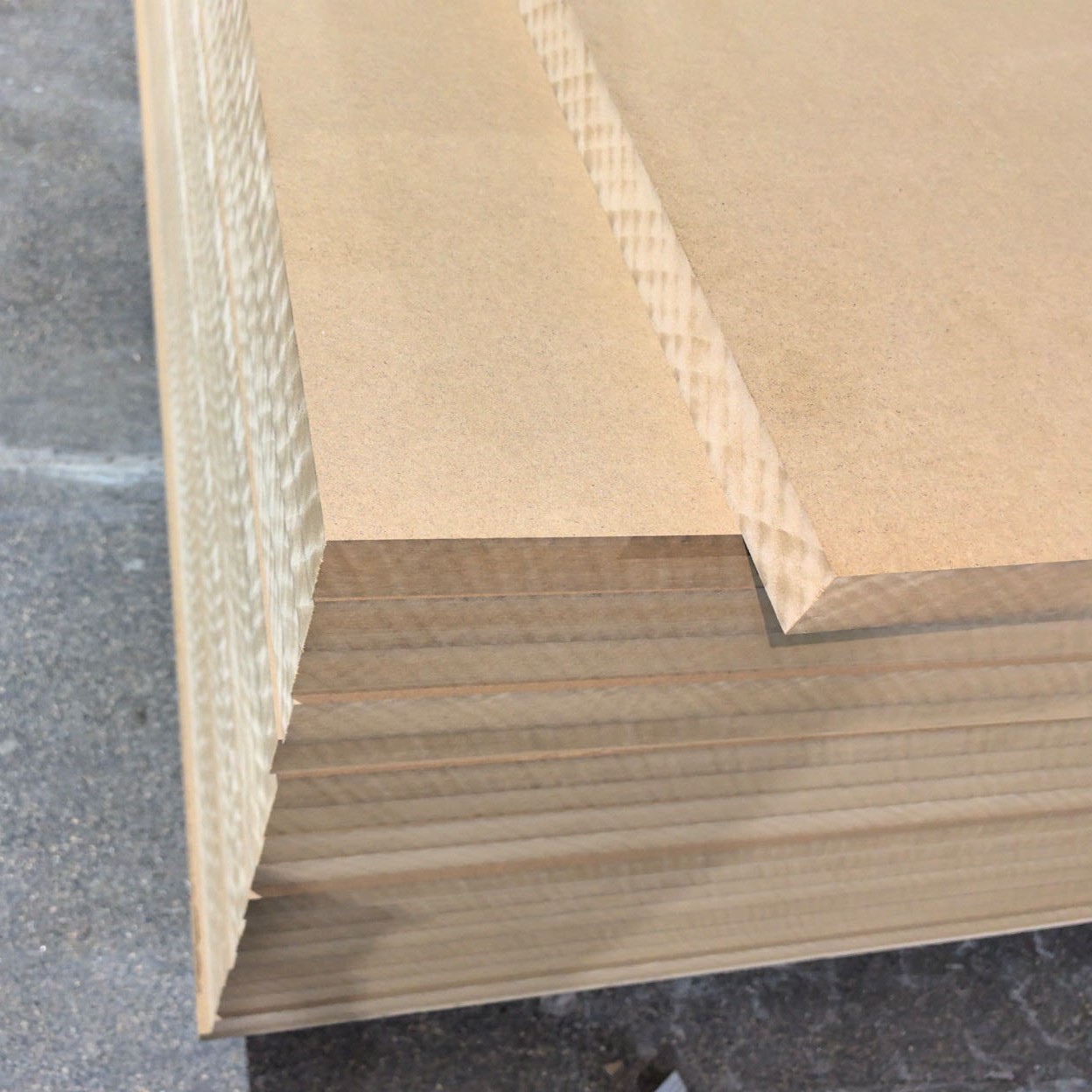
Standard MDF Thickness Reference Table
While custom sizes exist, most global suppliers adhere to these standard increments:
| Thickness | Primary Applications |
| 3-5mm | Cabinet backs, drawer bottoms, flexible curved surfaces. |
| 6-9mm | Wall Paneling, decorative overlays, picture framing. |
| 12mm | Small furniture components, internal dividers, light shelving. |
| 15-16mm | Standard cabinet doors, economy furniture carcasses. |
| 18mm | The Industry Standard: Wardrobes, bookshelves, office desks. |
| 25-30mm | Heavy-duty tabletops, workbenches, architectural features. |
Application Spotlight: Finding the "Sweet Spot"
1. Residential & Office Furniture
For most free-standing furniture, 18mm is the gold standard. It provides enough "meat" for hardware installation while remaining manageable for assembly.
• Shelving: If the span is over 800mm, stick to 18mm or 25mm to prevent the dreaded "mid-shelf dip."
• Tabletops: For executive desks or dining tables, 25mm adds a premium, sturdy feel that resists vibration.
2. Kitchen & Bathroom Cabinetry
Cabinetry requires precision because of the weight of the contents and the movement of the doors.
• Carcasses (Frames): 18mm is recommended for the sides and base to ensure the unit stays square under the weight of stone countertops.
• Doors: 16mm to 18mm is ideal. It is thick enough for European-style concealed hinges but light enough to prevent hinge-droop over time.
• Backing: Save costs and weight by using 3mm or 6mm MDF slid into a routed groove.
3. Interior Design & Wall Features
When the goal is aesthetics rather than load-bearing, thinner is often better.
• Wainscoting & Wall Slats: 6mm or 9mm panels are easier to mount to drywall and don't require heavy-duty anchors.
• Mouldings: 12mm MDF is frequently used for custom baseboards and architraves because it machines cleanly.
Pro-Tip: The "Span-to-Thickness" Ratio
One of the most common mistakes is ignoring the span length. A 12mm shelf might be perfectly fine for a 400mm wide bedside table, but it will fail miserably in a 900mm wide pantry. If your design features long, horizontal runs, always opt for a thicker grade or add a center support.
Balancing Cost and Performance
MDF is priced by volume. Increasing thickness from 12mm to 18mm increases the material cost by roughly 50% and adds significant weight to your shipping logistics. To optimize your budget:
• Use thick panels for structural frames and load-bearing surfaces.
• Use thin panels for decorative skins, backs, and drawer liners.
Conclusion
Choosing the right MDF thickness ensures your products are "fit for purpose"—durable enough to last, yet light enough to be cost-effective. For the majority of professional furniture applications, 18mm remains the most versatile choice, but always consider the specific weight load and span of your design.